
 Thought Gleam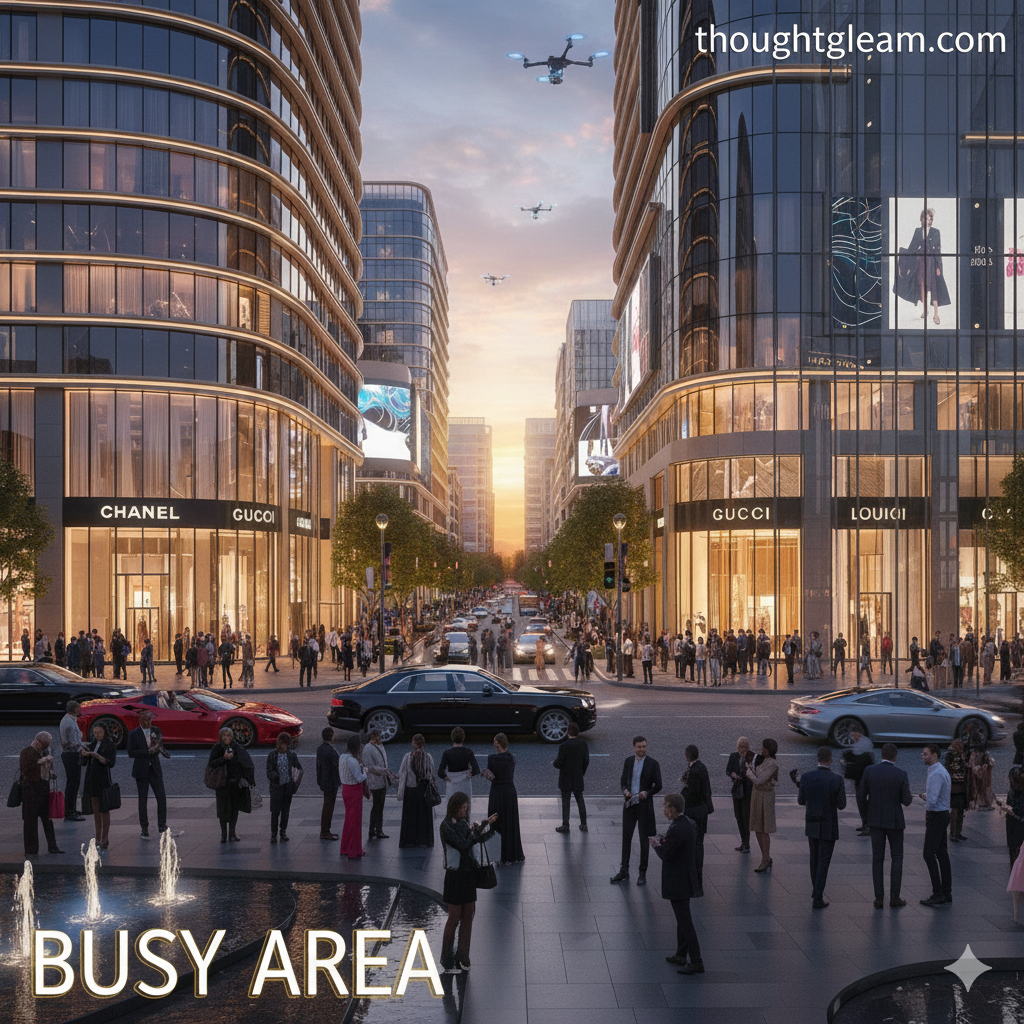
A busy area is a place where people, vehicles, and activities are constantly in motion. These locations are full of energy and life, playing a vital role in modern cities. From crowded marketplaces to transport hubs, a busy area reflects economic growth, social interaction, and urban development.
This article explains what a busy area is, its types, benefits, challenges, and how it affects daily life. The content is written in simple English, structured with clear headings, bullet points, tables, step-by-step explanations, FAQs, and a strong conclusion.
What Is a Busy Area?
A busy area refers to a location with high human activity and frequent movement throughout the day. These areas usually have:
- Heavy foot traffic
- Continuous vehicle movement
- Active businesses
- Public services
- Crowded streets
Such areas are common in cities and towns and are often the center of economic and social life.
Key Characteristics of a Busy Area
A busy area can be identified by several common features. These characteristics make it different from quiet or residential zones.
High Population Movement
People are constantly coming and going for work, shopping, travel, or social activities.
Traffic and Transportation
- Buses, cars, motorcycles, and taxis are always moving
- Traffic signals are active most of the day
- Parking areas are often full
Commercial Activity
- Shops, malls, and markets operate daily
- Street vendors are common
- Offices and service centers attract workers
Noise and Energy
- Sounds of traffic, people talking, and business activity
- Bright lights, billboards, and advertisements
Common Types of Busy Areas
Not all busy areas are the same. They can be grouped into different categories based on their function.
1. Commercial Busy Areas
These areas focus on shopping and business.
Examples:
- Shopping malls
- Local markets
- Business districts
2. Transportation Busy Areas
These areas manage public and private transport.
Examples:
- Railway stations
- Airports
- Bus terminals
3. Urban Street Busy Areas
Major city roads with mixed activity.
Examples:
- Main roads
- Downtown streets
- City centers
4. Tourist Busy Areas
Popular with visitors and travelers.
Examples:
- Famous landmarks
- Entertainment districts
- Cultural centers
Examples of Busy Areas in Daily Life
You encounter a busy area more often than you may realize.
Some common examples include:
- A city marketplace during evening hours
- A railway station during rush time
- A hospital emergency entrance
- A school zone during opening and closing hours
- A business district on weekdays
Why Busy Areas Are Important
Busy areas play a crucial role in economic growth and social development.
Economic Benefits
- Create job opportunities
- Support small and large businesses
- Encourage investment
Social Benefits
- Promote interaction among people
- Provide access to services
- Support cultural activities
Infrastructure Development
- Better roads and transport
- Improved public facilities
- Advanced communication networks
Advantages of Living or Working in a Busy Area
Living or working in a busy area offers several benefits.
Easy Access to Services
- Hospitals
- Schools
- Banks
- Shopping centers
Better Job Opportunities
- Offices and companies nearby
- Freelance and part-time work
- Business growth opportunities
Strong Connectivity
- Public transport availability
- Ride-sharing services
- Walkable locations
Challenges of a Busy Area
While busy areas are beneficial, they also come with challenges.
Traffic Congestion
- Delays during peak hours
- Increased fuel consumption
Noise Pollution
- Continuous honking
- Construction sounds
Air Pollution
- Vehicle emissions
- Dust and smoke
Stress and Overcrowding
- Less personal space
- Mental fatigue
How to Manage Life in a Busy Area (Step-by-Step)
Living or working in a busy area requires smart planning. Follow these steps to manage daily life effectively.
1: Plan Your Schedule
- Travel during non-peak hours
- Use digital maps for traffic updates
2: Choose Smart Transportation
- Use public transport
- Walk short distances
- Use bicycles where possible
3: Reduce Noise Impact
- Use noise-canceling headphones
- Install soundproof windows
4: Maintain Personal Well-being
- Take breaks
- Practice stress management
- Spend time in quiet places
Busy Area vs Quiet Area (Comparison Table)
| Feature | Busy Area | Quiet Area |
|---|---|---|
| Population Activity | Very High | Low |
| Traffic | Heavy | Minimal |
| Noise Level | High | Low |
| Business Opportunities | More | Limited |
| Cost of Living | Usually High | Lower |
| Lifestyle | Fast-paced | Relaxed |
Busy Area and Business Growth
A busy area is ideal for businesses due to high visibility and customer flow.
Why Businesses Prefer Busy Areas
- More customers
- Brand exposure
- Competitive environment
Suitable Businesses for Busy Areas
- Restaurants
- Retail shops
- Cafes
- Banks
- Service centers
Impact of Busy Areas on Urban Development
Busy areas shape the structure of modern cities.
Positive Impact
- Improved infrastructure
- Economic stability
- Employment generation
Negative Impact
- Environmental pressure
- Overcrowding
- Resource consumption
Safety Tips for Busy Areas
Safety is important in crowded places.
Personal Safety Tips
- Stay alert
- Avoid isolated shortcuts
- Keep valuables secure
Traffic Safety Tips
- Follow traffic rules
- Use pedestrian crossings
- Avoid distractions
Technology and Busy Areas
Technology helps manage busy areas more efficiently.
Smart Solutions
- Traffic control systems
- Surveillance cameras
- Digital payment systems
Benefits of Technology
- Reduced congestion
- Improved security
- Better service delivery
Environmental Impact of Busy Areas
Busy areas affect the environment.
Major Environmental Issues
- Air pollution
- Noise pollution
- Waste management
Solutions
- Green public transport
- Recycling programs
- Urban green spaces
How Governments Improve Busy Areas
Governments take steps to improve living conditions in busy areas.
Common Measures
- Road expansion
- Public transport upgrades
- Traffic regulation
- Cleanliness campaigns
FAQs About Busy Area
What does a busy area mean?
A busy area is a place with constant activity, traffic, and people movement throughout the day.
Are busy areas good for business?
Yes, busy areas attract more customers and provide better business opportunities.
Is living in a busy area stressful?
It can be stressful due to noise and traffic, but good planning helps manage it.
How can traffic be reduced in busy areas?
By using public transport, better road planning, and smart traffic systems.
Are busy areas safe?
Busy areas are generally safe, but staying alert and following safety rules is important.
Conclusion
A busy area is the heartbeat of modern urban life. It represents movement, growth, opportunity, and connection. While it offers economic benefits, accessibility, and social interaction, it also presents challenges like congestion and pollution. With proper planning, smart technology, and responsible behavior, busy areas can remain productive and livable spaces. Understanding how busy areas function helps individuals, businesses, and governments make better decisions for a balanced urban lifestyle.