 Thought Gleam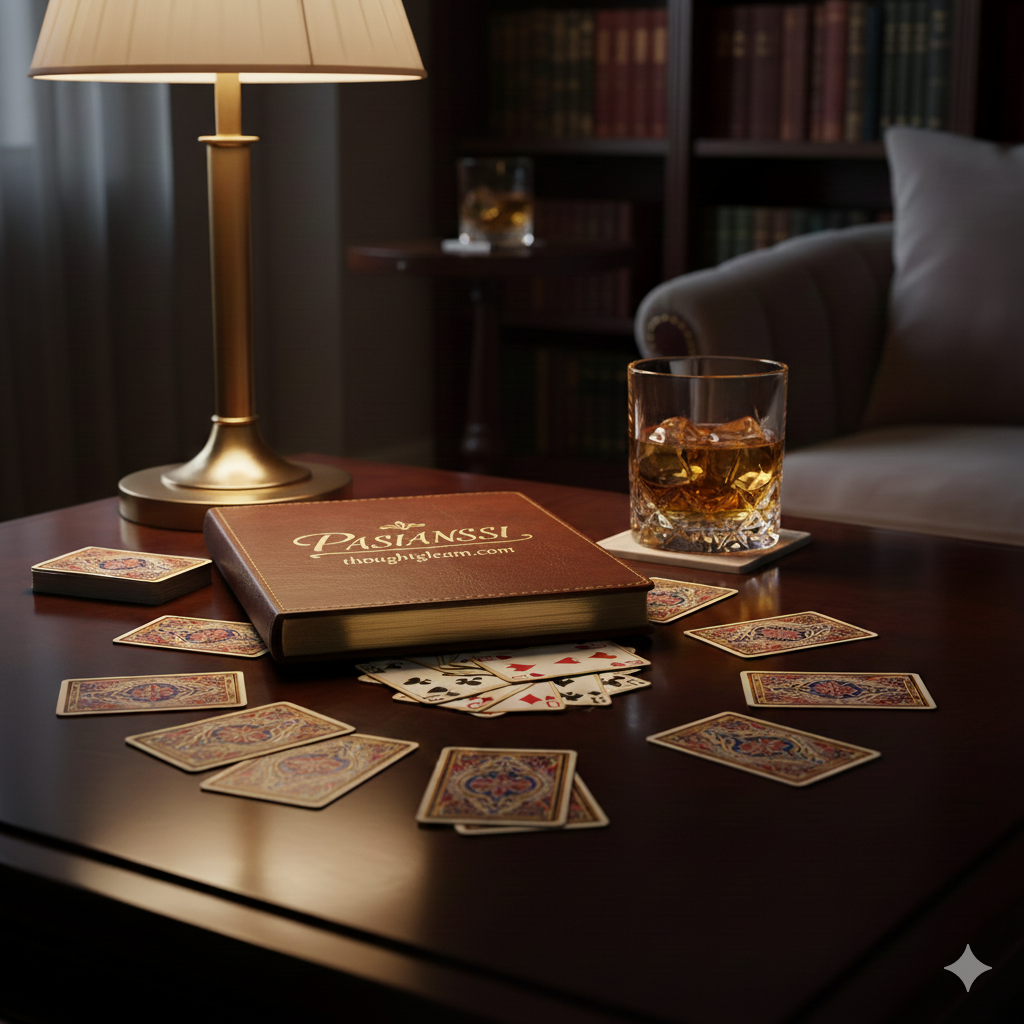
Introduction to Pasianssi
Pasianssi is a traditional card game that belongs to the family of patience or solitaire games. It is loved by players of all ages because it combines relaxation with mental challenge. The game focuses on careful planning, logical thinking, and patience, making it ideal for both casual and serious players.
Whether played with physical cards or on digital platforms, pasianssi offers a calm yet engaging experience. It helps improve concentration while providing entertainment without pressure. In today’s fast-paced world, this classic game remains relevant because it allows players to slow down and think strategically.
What Is Pasianssi?
Pasianssi is a single-player card game where the main goal is to arrange cards in a specific order according to defined rules. The game requires focus, planning, and attention to detail.
Key Characteristics of Pasianssi
- Single-player card game
- Based on patience and logic
- Played with a standard deck of cards
- Available in offline and digital versions
- Suitable for beginners and advanced players
Pasianssi is not about speed. Instead, it rewards thoughtful moves and smart decision-making.
History and Origin of Pasianssi
The roots of pasianssi can be traced back to Europe, where patience games were popular among nobility. These games were often played alone and were considered a sign of intelligence and discipline.
Over time, the game evolved and spread to different regions. With the rise of computers and mobile devices, digital versions became widely available, introducing the to a global audience.
Evolution Over Time
| Era | Development |
|---|---|
| 18th Century | Played with physical cards |
| 20th Century | Gained popularity in households |
| Digital Age | Available as apps and online games |
Why Pasianssi Is Still Popular
Despite being an old card game, I am remains popular today because of its simplicity and mental benefits.
Reasons for Its Popularity
- Easy to learn
- No age restriction
- Helps reduce stress
- Improves thinking skills
- Can be played anytime
Many players enjoy for as a daily mental exercise or a way to relax after a busy day.
Basic Rules of Pasianssi
Understanding the rules is essential before starting the game. Although variations exist, the core rules remain similar.
General Rules
- Cards are arranged in columns or piles
- Moves must follow specific order rules
- Only certain cards can be moved at a time
- The goal is to organize all cards correctly
The exact rules may vary depending on the version you play, but the objective remains the same.
Step-by-Step Guide to Playing Pasianssi
Below is a simple step-by-step explanation to help beginners understand how to play.
1: Setup the Cards
- Use a standard 52-card deck
- Shuffle the cards thoroughly
- Arrange them into piles or columns
2: Understand Card Movement
- Cards must be placed in a specific sequence
- Colors or suits may matter depending on the version
- Only visible cards can be moved
3: Make Strategic Moves
- Think before moving any card
- Avoid blocking important cards
- Plan several moves ahead
4: Complete the Game
- Continue organizing cards
- Follow rules carefully
- Finish when all cards are placed correctly
Playing pasianssi improves with practice and patience.
Digital vs Offline Pasianssi
I can be played in both physical and digital formats. Each has its own benefits.
Comparison Table
| Feature | Offline Pasianssi | Digital Pasianssi |
|---|---|---|
| Accessibility | Requires cards | Available anytime |
| Convenience | Needs setup | Instant play |
| Visual Aids | Limited | Helpful hints |
| Portability | Less portable | Highly portable |
Digital versions of pasianssi are especially popular among modern players.
Skills Developed by Playing Pasianssi
It is more than just entertainment. It helps build important mental skills.
Mental Benefits
- Logical thinking
- Problem-solving
- Focus and attention
- Memory improvement
Emotional Benefits
- Stress reduction
- Calm mindset
- Improved patience
Regularly playing that can positively impact mental health.
Common Mistakes to Avoid
Beginners often make simple mistakes that can affect gameplay.
Mistakes to Watch Out For
- Moving cards too quickly
- Ignoring future consequences
- Blocking important piles
- Not following rules carefully
Avoiding these mistakes will improve your success rate.
Tips and Strategies for Winning
Winning at the requires planning and observation.
Helpful Tips
- Always plan moves in advance
- Free important cards early
- Keep columns balanced
- Avoid unnecessary moves
Advanced Strategies
- Think several steps ahead
- Maintain flexibility
- Focus on long-term goals
Practicing these strategies will make it more enjoyable and rewarding.
Pasianssi for All Ages
One of the biggest strengths of the is that it is suitable for everyone.
Age-Wise Benefits
| Age Group | Benefit |
|---|---|
| Children | Improves focus |
| Adults | Reduces stress |
| Seniors | Maintains mental activity |
The simplicity of the makes it accessible to all generations.
Frequently Asked Questions (FAQs)
What is pasianssi?
It is a classic single-player card game focused on patience, logic, and strategy.
Is pasianssi difficult to learn?
No, it is easy to learn but takes time to master.
Can pasianssi be played online?
Yes, many digital versions are available for computers and mobile devices.
Does pasianssi improve brain function?
Yes, it helps improve concentration, memory, and problem-solving skills.
Is pasianssi suitable for children?
Yes, it is safe and beneficial for children when played responsibly.
Conclusion
Pasianssi is a timeless card game that continues to captivate players around the world. Its balance of simplicity and challenge makes it ideal for relaxation and mental stimulation. Whether you play with physical cards or enjoy a digital version, the game encourages patience, thoughtful decision-making, and logical thinking.
By understanding the rules, avoiding common mistakes, and practicing smart strategies, anyone can enjoy and master it. In a world filled with fast entertainment, this classic game remains a perfect choice for calm, focused, and meaningful play.