 Thought Gleam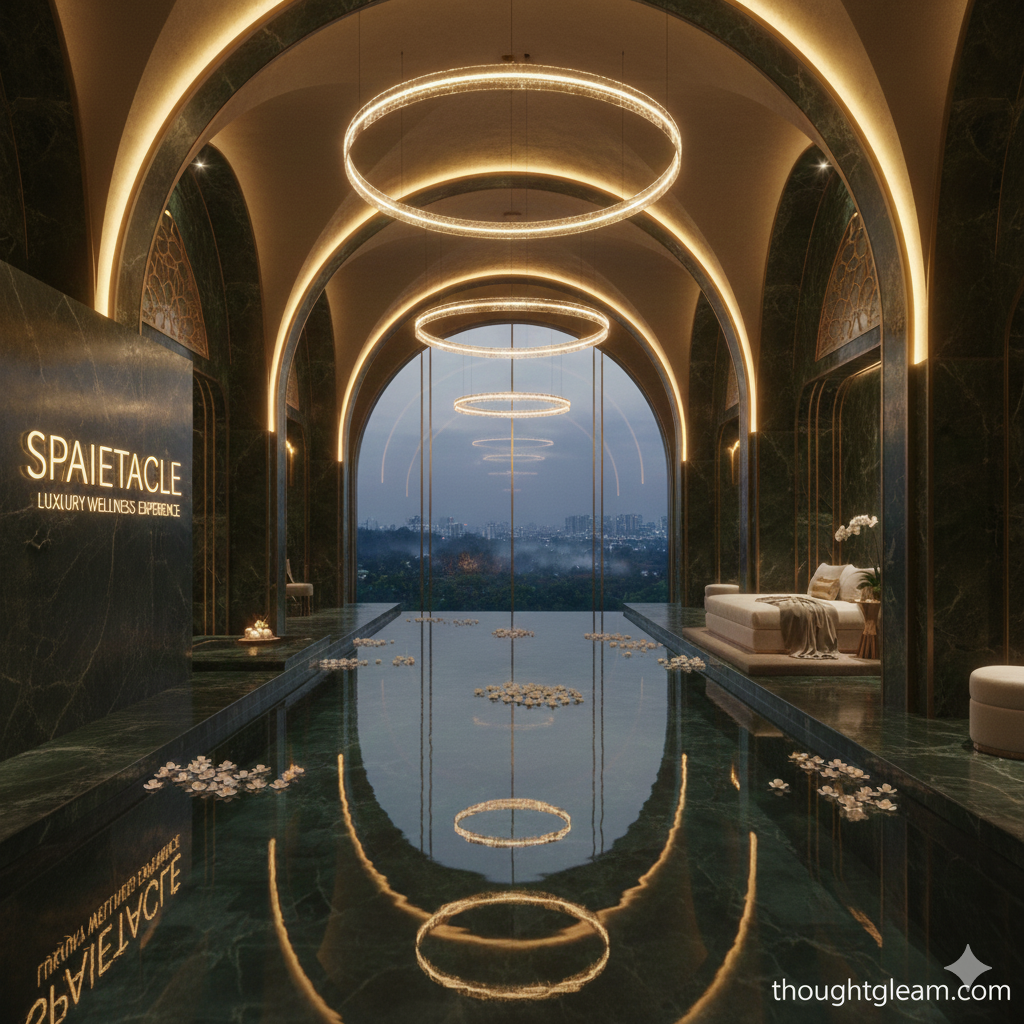
In the modern world of entertainment and events, audiences are seeking more than just passive experiences. They want to interact, engage, and feel part of something extraordinary. Spaietacle is a groundbreaking concept that blends innovation, digital technology, and immersive storytelling to create interactive spectacles. From art installations to tech-driven performances, Spaietacle represents a shift in how we experience entertainment and cultural events.
This article delves deep into Spaietacle, its applications, design strategies, and the reasons behind its growing popularity. You will learn how immersive experiences are created, what makes them captivating, and why they are transforming the entertainment landscape.
What Is Spaietacle?
Spaietacle is a unique concept that combines:
- Innovation in technology
- Entertainment experiences
- Interactive storytelling
- Visual arts and performance
Unlike traditional events, It emphasizes participation and multisensory engagement. Attendees are no longer passive observers; they become part of the narrative, interacting with the environment, performers, and digital elements.
Key Features of Spaietacle
- Immersive environments
- Interactive performances
- Integration of digital and physical elements
- Focus on audience engagement
- Creative storytelling through visuals and technology
Why Spaietacle Is Gaining Popularity
Several factors have contributed to the rise of Spaietacle in modern entertainment:
- Technological Advancements
High-quality projection mapping, augmented reality (AR), virtual reality (VR), and interactive displays allow creators to deliver unforgettable experiences. - Audience Desire for Engagement
People are looking for experiences they can participate in, share on social media, and remember. - Blending Arts and Technology
Spaietacle fuses traditional art forms like theater, dance, and visual arts with tech-driven storytelling. - Social Media and Virality
Immersive experiences are highly shareable, increasing exposure and creating a buzz for events.
Types of Spaietacle Experiences
It comes in various forms, each designed to engage audiences in different ways.
1. Digital Art Installations
- Interactive projections on walls or buildings
- Responsive visuals reacting to audience movement
- Use of AR to create virtual layers on physical spaces
2. Immersive Theater
- Actors interact directly with the audience
- Storylines can change based on participant choices
- Multi-sensory engagement with sound, lighting, and props
3. Tech-Driven Performances
- Dance or music shows enhanced by digital effects
- Holographic performers
- Real-time visuals synced with music
4. Experiential Exhibitions
- Museums or galleries using VR/AR to immerse visitors
- Gamified storytelling experiences
- Interactive learning through technology
Steps to Create a Successful Spaietacle
Creating a memorable it involves careful planning, design, and execution. Here’s a step-by-step guide:
1: Conceptualization
- Define the story or theme
- Decide the type of immersive experience (digital, physical, or hybrid)
- Identify audience goals and expected outcomes
2: Technology Integration
- Choose the right tools: VR, AR, projection mapping, holograms
- Ensure compatibility and reliability
- Test interactive elements thoroughly
3: Environment and Space Design
- Optimize layout for audience flow
- Plan lighting, sound, and visuals
- Create zones for interaction and observation
4: Audience Interaction
- Include interactive triggers (motion sensors, touchscreens)
- Provide opportunities for participants to influence the experience
- Monitor engagement and adapt in real time
- Step 5: Rehearsal and Testing
- Conduct dry runs with a small audience
- Adjust timing, technical settings, and narrative elements
- Ensure smooth synchronization of audio, video, and live performance
6: Execution and Feedback
- Launch the experience to the public
- Collect feedback for future improvements
- Share highlights on social media for broader engagement
Benefits of Experiencing Spaietacle
- Creates unforgettable memories for participants
- Encourages creativity and exploration
- Offers opportunities for brand promotion and marketing
- Enhances learning through interactive storytelling
- Appeals to diverse age groups and interests
Comparison Table: Traditional Events vs Spaietacle
| Feature | Traditional Event | Spaietacle |
|---|---|---|
| Audience Role | Passive | Active participant |
| Technology Usage | Limited | High-tech integration |
| Engagement Level | Moderate | High |
| Sensory Experience | Single or limited | Multi-sensory (visual, auditory, tactile) |
| Social Media Appeal | Low | High |
| Customization | Standardized | Dynamic and adaptive |
| Storytelling | Linear | Interactive and immersive |
Design Principles for a Captivating Spaietacle
Creating a successful Spaietacle is an art and a science. Designers follow key principles:
- Story-Driven Experience: Every interactive element should support the narrative.
- Seamless Integration: Technology should feel natural and enhance, not distract.
- Accessibility: Make sure everyone can participate comfortably.
- Interactivity Balance: Provide meaningful interactions without overwhelming participants.
- Memorability: Create moments that audiences will remember and share.
Spaietacle in Entertainment and Event Planning
Event planners and entertainment companies are increasingly adopting it concepts to:
- Launch new products or services
- Create immersive brand experiences
- Host corporate events with unique engagement
- Offer educational or cultural exhibitions
The combination of tech and creativity ensures that events are memorable and impactful.
Future Trends in Spaietacle
The field of Spaietacle is evolving rapidly. Upcoming trends include:
- Use of AI to personalize experiences in real time
- Mixed reality combining VR and physical interactions
- Wearable technology for deeper engagement
- Interactive storytelling influenced by participant choices
- Global virtual events with real-time audience participation
FAQs About Spaietacle
1. What is Spaietacle?
It is an immersive entertainment concept that blends technology, storytelling, and interactive experiences to engage audiences in new and exciting ways.
2. How is Spaietacle different from traditional events?
Unlike traditional events, It emphasizes participation, multi-sensory engagement, and interactive storytelling, rather than passive observation.
3. What technologies are used in Spaietacle?
Technologies include VR, AR, projection mapping, holograms, interactive screens, motion sensors, and AI-driven experiences.
4. Who can create a Spaietacle?
Artists, event planners, entertainment companies, museums, and tech innovators can design it experiences with careful planning and technology integration.
5. Why are Spaietacle experiences becoming popular?
They provide memorable, engaging, and shareable experiences, combining entertainment, art, and technology in a way that resonates with modern audiences.
Conclusion
Spaietacle represents the future of immersive entertainment and interactive events. By blending technology, storytelling, and audience participation, it transforms traditional experiences into dynamic, engaging spectacles. Whether used in art installations, live performances, corporate events, or digital exhibitions, Spaietacle captures attention, fosters creativity, and leaves a lasting impression.
As technology advances and audiences demand more interactive and memorable experiences, the popularity of it will continue to grow. For artists, event planners, and entertainment professionals, understanding and implementing the principles of It is essential to staying ahead in the evolving landscape of modern entertainment.